Beyond Therapy: How Great Residential Treatment Finds Hope for Teens
For many parents, weekly therapy for their struggling teen can feel like a revolving door. There might be progress during the appointment, but at home, the same struggles with communication and emotional outbursts continue. It’s a frustrating cycle that raises a difficult question: Is lasting change even possible?
The problem often isn’t the therapy; it’s the lack of a place to practice. A one-hour session can provide tools, but where does a teen learn to use them under real-world pressure? Understanding residential treatment is seeing it as an immersive environment designed for this very purpose and not as a punishment.
Here, teens build crucial life skills beyond therapy, turning theory into habit. They learn to manage conflict during a group project, regulate emotions after a disappointment, and build a routine.
How a Structured Day Builds Foundational Responsibility
For many families, life can feel like a constant negotiation over daily tasks. A structured environment provides immediate benefits by creating a consistent schedule for waking up, meals and study time, which removes daily arguments. This predictability lowers anxiety and naturally teaches teens how to manage their time and meet expectations. It establishes a rhythm where responsibility becomes a normal part of the day, not a source of conflict.
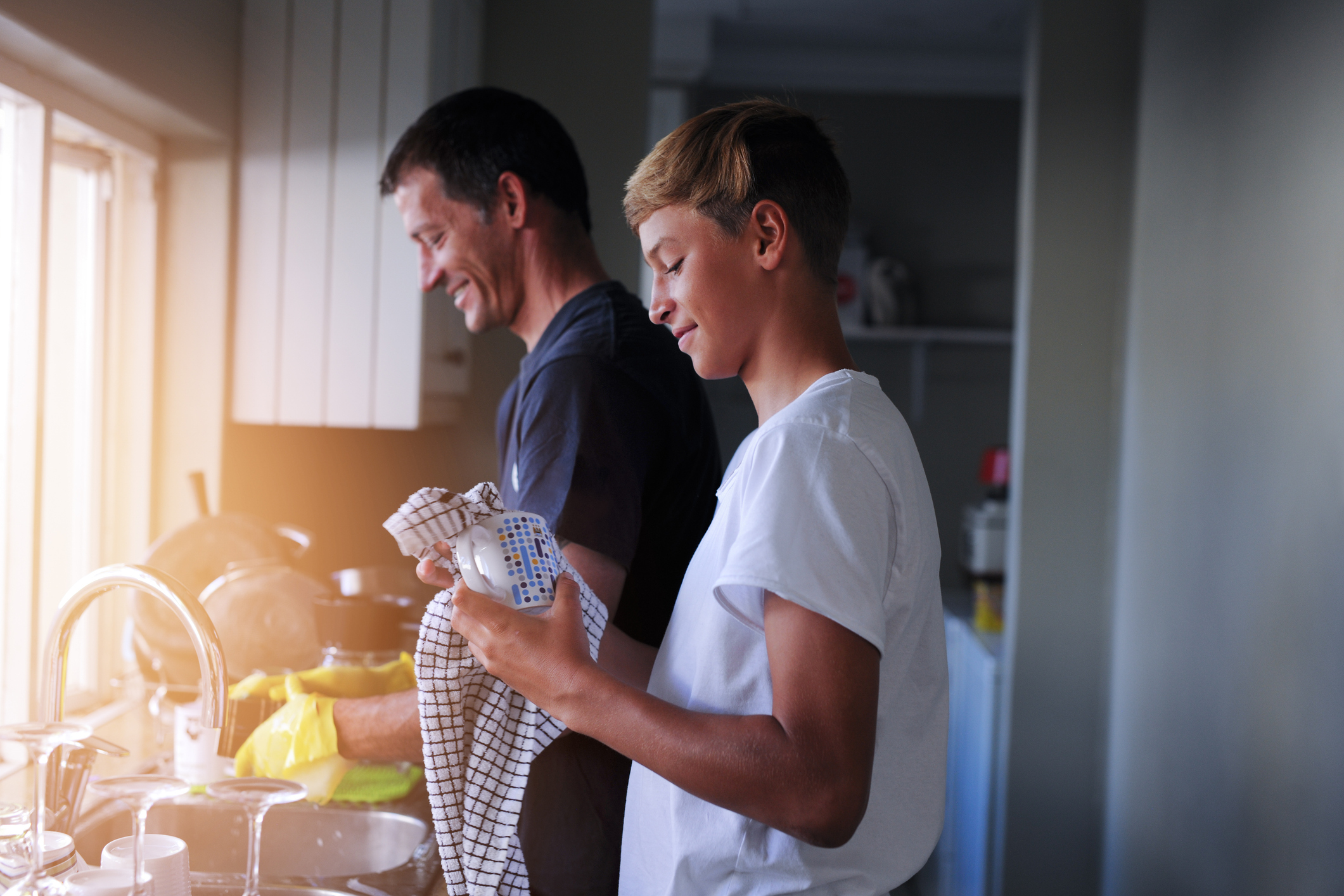
This accountability extends to personal tasks. Instead of being a punishment, learning to do laundry or keep their space tidy is framed as an act of competence. Successfully managing their own small part of the world builds a foundation of self-respect and proves to a teen that they are capable.
When the constant friction over everyday tasks disappears, it opens up space for positive connection. With this reliable foundation, teens are better prepared to tackle the challenge of learning how to communicate effectively.
Learning to Communicate
While therapy is crucial, real life is where communication is truly tested. A residential setting acts like a social gym, where every meal and group project becomes a chance to practice. Instead of retreating to their room after a disagreement, teens are guided by staff to work through it. This constant immersion helps build healthy peer relationships, often for the first time.
The focus is on specific tools. Teens shift from blame, like “You always ignore me,” to using “I-statements” that express their own needs: “I feel hurt when I’m not included.” This simple change transforms accusations into invitations for understanding, de-escalating conflict before it starts.
Living in a community also means learning to handle feedback. In supervised groups, teens practice hearing how their actions affect others and offering constructive thoughts. This builds empathy, but to do it well, they must first manage their internal world. Learning to tame the overwhelm of big emotions is the next crucial step.
Practical Tools for Managing Big Emotions
Handling disappointment or feedback without a meltdown requires emotion regulation, and a crucial part of this process involves identifying personal triggers. Through guided reflection and staff support, a teen learns what sparks their urge to shut down or lash out, such as feeling unheard by a peer or anxious about a test. Recognizing these emotional tripwires is a form of experiential learning, giving them the power to choose a healthier response.
When a trigger appears, teens are coached through simple grounding techniques. This might mean taking a short walk, using a tactical breathing exercise to calm their nervous system or writing in a journal. These immediate, practical actions build new, healthy habits. Mastering this self-control is the bedrock for developing the ability to plan, organize and follow through.
How Teens Develop Planning and Organization Skills
With self-control as a foundation, teens can strengthen the brain’s executive functioning. These are the management skills we all use for planning, organizing and starting tasks. For a teen who feels overwhelmed, a simple homework assignment can seem like an impossible mountain. An executive functioning skills curriculum provides a clear path forward, replacing anxiety with a sense of control.
This approach provides academic support by teaching them how to approach overwhelming work. For a big school project, they learn a simple, repeatable process:
- Break It Down: Divide the project into small, manageable parts.
- Schedule It: Assign each part to a specific day and time.
- Check-In: Review progress with a staff member to stay on track.
This structured practice builds academic confidence and reduces school-related stress. These are essential independent living skills that go far beyond the classroom.
How New Skills Translate From Treatment to Home Life
Intense, daily practice is what turns new skills into lasting habits, much like learning an instrument. The immersive nature of residential care provides the repetition needed to make positive behaviors feel automatic, not forced. This constant reinforcement helps the brain build new, healthier pathways that can withstand the stress of daily life.
Lasting change, however, isn’t a solo mission. While your teen is learning, family therapy sessions prepare the home environment for their return. This work helps everyone learn more appropriate ways to communicate and support one another, helping to ensure the teen is returning to a system ready to support their growth.
The True Goal of Residential Treatment
Residential treatment is a dedicated practice environment where daily structure creates the foundation for building essential life skills, from simple chores to complex emotion regulation.
This immersive approach is where the core benefits of residential treatment lie.
Alliance Health Center, located in Meridian, Mississippi, provides treatment for people just like you or your teen looking for help. With inpatient and outpatient services available, we’re ready to help you take positive steps forward. Call us today at 601-483-6211 or contact us to get started.