Depression in Older Adults: Signs, Symptoms and Treatment Options
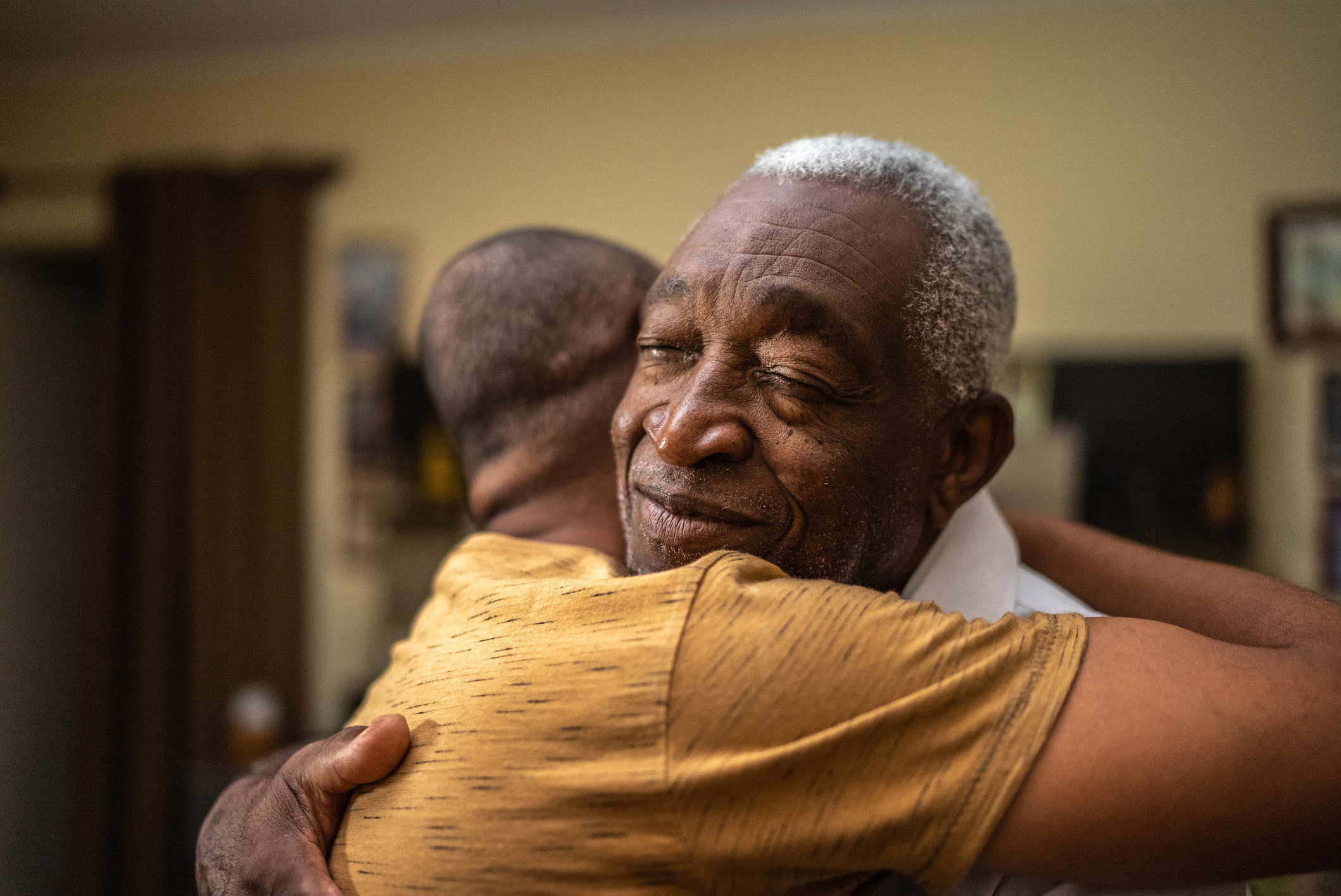
Depression in older adults is a medical condition, not a personal weakness or an expected part of aging. It can affect mood, sleep, appetite, energy, memory, motivation, substance use and the ability to manage daily life. The good news is that depression in elderly adults can be treated, especially when families notice changes early and connect their loved one with the right level of care.
What Does Depression in Older Adults Look Like?
Depression in older adults may look less obvious than it does in younger people. Some seniors do feel sad or hopeless, but others mainly show irritability, withdrawal, fatigue, loss of interest, sleep changes, appetite changes or trouble concentrating. Depression is not a normal part of aging, even though older adults may face health problems, grief, loneliness, retirement stress or loss of independence that can increase risk. For families, the key is to watch for a pattern. Everyone has difficult days, but depression symptoms tend to persist and interfere with normal routines. An older adult who stops answering calls, loses interest in grandchildren, neglects hygiene, drinks more often, misses medications or repeatedly says they are a burden needs careful attention. Common elderly depression symptoms can include:
- Ongoing sadness, emptiness, anxiety or irritability
- Loss of interest in hobbies, meals, faith activities or social contact
- Sleeping too much, sleeping too little or waking very early
- Changes in appetite or unexplained weight changes
- Low energy, slowed movement or restlessness
- Trouble thinking clearly, remembering tasks or making decisions
- Increased alcohol, sedative or pain medication misuse
- More physical complaints, such as pain or stomach problems
- Feelings of guilt, worthlessness or hopelessness
Senior Depression Treatment Options
Senior depression treatment usually works best when it is matched to the person’s symptoms, medical history, safety needs and support system. Treatment does not have to mean only one approach. Many older adults benefit from a combined plan that includes therapy, medication review, lifestyle support, family involvement and treatment for substance use when needed.
Psychotherapy
Therapy gives older adults a structured place to talk through grief, health changes, family stress, loneliness, trauma or addiction-related problems. Common options include cognitive behavioral therapy, problem-solving therapy, grief counseling, supportive therapy and family therapy.
Medication
Antidepressant medication may help when symptoms are moderate to severe, long-lasting, or interfering with sleep, appetite, motivation and daily function. Older adults often need careful prescribing because they may take several medications or have medical conditions that affect side effects. A healthcare provider should review all prescriptions, over-the-counter drugs and supplements, alcohol use and substance use before starting or changing medication.
Integrated mental health and substance use care
When depression and addiction occur together, treating only one condition often leaves the other active. Integrated care may include therapy, medication management, relapse prevention, peer support, family education and medical monitoring. For example, an older adult who drinks to cope with loneliness may need depression treatment, alcohol treatment, safer coping skills and help rebuilding social contact.
Higher levels of care
Some people need more support than weekly outpatient therapy. Intensive outpatient programs, partial hospitalization programs, inpatient psychiatric care or medically supervised detox may be appropriate when symptoms are severe, safety is uncertain, substance withdrawal is possible or daily functioning has declined sharply.
Practical Steps for Families
Families cannot force recovery through willpower or encouragement alone, but they can reduce barriers to care. Helpful steps include:
- Describe what you have noticed. Use facts, such as missed meals, isolation, drinking more or not bathing.
- Encourage a medical and mental health evaluation. Start with primary care if that feels less threatening.
- Ask about suicide directly. Asking does not create suicidal thoughts; it helps reveal risk.
- Reduce access to lethal means when risk is present. This may include firearms, large medication supplies or other dangers.
- Support treatment attendance. Offer rides, appointment reminders or help with telehealth setup.
- Avoid shaming substance use. Focus on safety, honesty and professional help.
- Take care of yourself. Family members may need counseling, support groups or respite.
Get Help for Older Adults in Mississippi
Depression in older adults is treatable, but it is often hidden behind physical symptoms, grief, medical problems or substance use. If you notice ongoing changes in mood, behavior, energy, sleep, appetite, or safety, do not wait for the person to snap out of it. A thorough evaluation and a coordinated care plan can help older adults regain stability, connection and quality of life. Alliance Health Center, located in Meridian, Mississippi, provides treatment for older adults looking for help. With inpatient and outpatient services available, we’re ready to help you or a loved one take positive steps forward. Call us today at 601-483-6211 or contact us to get started. In a mental health crisis, CALL 988 or get to the nearest emergency room. If you or a loved one is experiencing severe symptoms of alcohol withdrawal, such as seizures, CALL 911 or seek the nearest emergency room.